App Store Optimization (ASO): Rank Higher, Download More
Master ASO strategies for both the App Store and Google Play – keyword research, screenshots, ratings, and localization techniques.
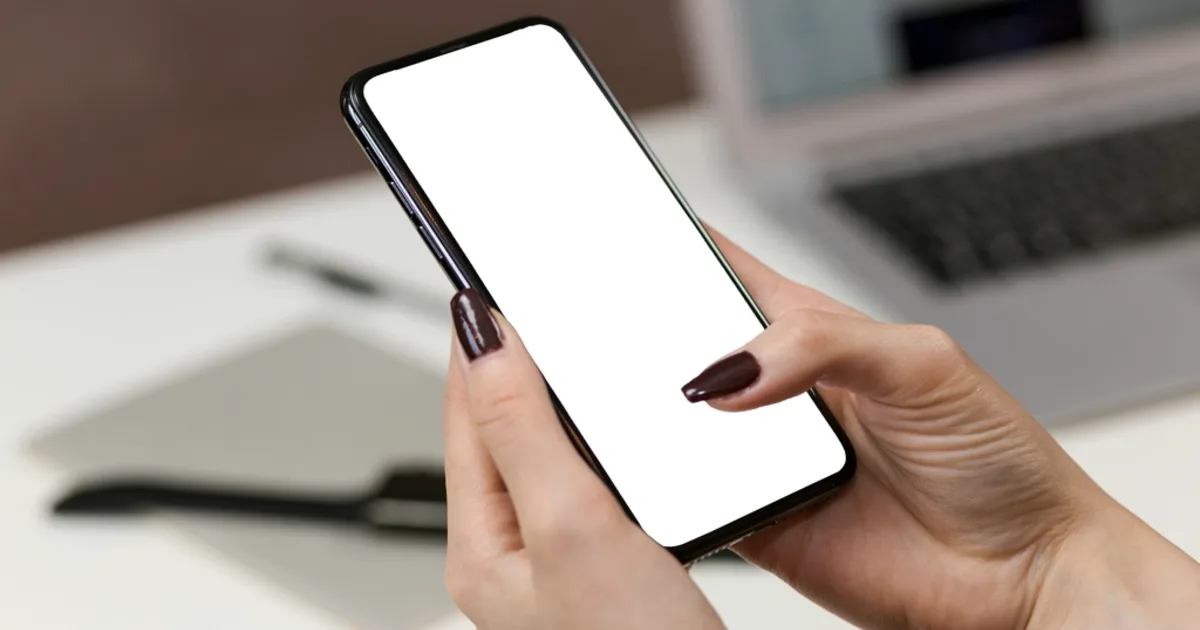
Building a great app is only half the battle; people have to find it. App Store Optimization is the practice of improving your app's visibility and conversion in the App Store and Google Play, and it can dramatically increase downloads without paid ads.
This guide covers the ASO strategies that help your app rank higher and convert more visitors.
Keyword Research
ASO starts with understanding the words people use to find apps like yours. Target relevant keywords with meaningful search volume and realistic competition, and weave them naturally into your title and description where the stores index them.
Optimizing for Conversion
Visibility means nothing without conversion
Ranking high only matters if visitors install. Your icon, screenshots, and first lines of description are the storefront that turns browsers into downloads.
- Design a distinctive, memorable app icon.
- Lead with screenshots that show real value immediately.
- Write a compelling first sentence that hooks the reader.
- Use a short preview video where it helps.
Ratings and Reviews
Ratings strongly influence both ranking and trust. Prompt happy users to review at the right moment, respond to feedback professionally, and treat reviews as a steady source of insight into what to fix and build next.
Measure and Iterate
ASO is ongoing, not one-time. Track your keyword rankings and conversion rates, test different screenshots and descriptions, and localize for major markets to expand reach. Continuous, data-driven refinement compounds into significant download growth.
Start With the Product Decision, Not app store optimization
app store optimization is easiest to understand when it is connected to a specific product outcome: making a relevant app understandable and discoverable without misleading prospective users. Teams often begin with a framework, platform feature, or visual trend and only later ask whether it helps the user. Reverse that order. Describe the job a person is trying to complete, the environment in which it happens, the failure they fear, and the evidence that would show an improvement. That brief becomes the standard against which technical and design choices can be judged.
Mobile software operates under constraints that desktop prototypes hide. Connections disappear, batteries run low, keyboards cover controls, devices vary in size and capability, and people use apps while distracted. The central constraint here is store policy, localized intent, creative quality, and product retention must reinforce one another. A professional plan treats that condition as part of the product rather than a late testing problem.
Architecture and Delivery Choices
Choose architecture according to change frequency, performance needs, team skills, accessibility, and the expected lifetime of the product. Keep domain logic separate from view code, make data flow explicit, and isolate platform integrations behind interfaces that can be tested. A smaller understandable codebase usually delivers more value than an elaborate abstraction adopted before its need is proven.
Delivery is part of architecture. Automated builds, deterministic dependencies, environment-specific configuration, signing controls, and a documented release process reduce the difference between a successful local demo and a reliable store build. Decide how feature flags, migrations, minimum operating-system versions, and rollback will work before a release carries real customer data.
- Record the product outcome and non-negotiable platform requirements.
- Prototype the riskiest interaction on a physical device before building the full flow.
- Keep secrets outside the application bundle and review third-party SDK data collection.
- Make builds reproducible and assign ownership for release credentials.
Interaction, Accessibility, and Real Devices
Design for fingers, assistive technology, interruptions, and one-handed use. Controls need adequate touch targets, meaningful labels, predictable focus order, readable contrast, and feedback that does not rely on color alone. Dynamic type and screen-reader behavior should be tested during implementation, because retrofitting accessibility after layout decisions are fixed is expensive and often incomplete.
Test on representative low-, mid-, and high-end devices. Rotate the screen, increase text size, deny permissions, interrupt the flow, switch networks, fill storage, and resume after the operating system terminates the process. These tests reveal whether the product preserves user intent. A mobile experience feels trustworthy when it explains what happened and offers a safe next action instead of silently losing work.
Quality, Performance, and Privacy
Performance budgets should cover startup time, interaction responsiveness, memory, package size, network use, and battery impact. Measure on production builds because debug tooling can distort results. Optimize the path users take most often before polishing rare screens, and investigate regressions with traces and profiles rather than intuition.
Privacy decisions should be visible in the architecture. Collect only what the feature requires, explain permission requests at the moment their value is clear, encrypt sensitive data appropriately, and define retention and deletion behavior. Every analytics or advertising SDK expands the trust boundary. Review its data flow and platform disclosures instead of assuming a popular dependency is harmless.
Measure Outcomes After Release

Crash-free sessions and store ratings are useful but incomplete. Track task completion, time to value, abandonment points, support themes, accessibility feedback, and retention appropriate to the product. Segment results by operating-system version and device class so a strong average does not hide a serious problem for one group.
Use staged rollout where the stores allow it, monitor the release, and keep the previous stable path available. Treat reviews as qualitative evidence rather than a voting system for the roadmap. Combine them with support conversations, usability sessions, and behavioral data. The aim is not to maximize activity inside the app; it is to help users complete a valuable task with less friction and uncertainty.
Team Skills, Maintenance, and Total Cost
The cheapest implementation is not necessarily the lowest-cost product. Estimate design, engineering, quality assurance, release management, observability, support, dependency upgrades, and platform-policy work over several years. A framework that accelerates the first release may become expensive if native integrations are frequent or if only one person understands its architecture. Conversely, separate platform teams may duplicate work that a well-chosen shared approach could avoid.
Make staffing risk visible. Document setup, architecture decisions, debugging procedures, signing, store access, and release steps. Rotate ownership of important workflows and remove credentials from personal accounts. Evaluate libraries by maintenance activity, security posture, license, platform compatibility, and the cost of replacing them. Dependency count is not a quality metric, but every dependency is code and governance the team does not fully control.
Budget for operating-system releases and store-policy changes. Mobile products live inside platforms that can deprecate APIs, alter background execution, require new privacy disclosures, or reject previously accepted behavior. Reserve maintenance capacity instead of treating each change as an emergency. The durable choice is the one the team can understand, test, upgrade, and support when the original developers are unavailable.
Design Failure and Support as First-Class Journeys
Happy-path prototypes conceal much of the real product. Define what happens when authentication expires, a payment is uncertain, an upload is interrupted, data conflicts across devices, a deep link is invalid, or a required service is unavailable. Preserve entered information where safe, distinguish retryable from permanent errors, and give people a next step that does not require technical vocabulary.
Support should be reachable from the point of confusion and include enough diagnostic context with the user’s consent. Build correlation identifiers and privacy-conscious logs so the team can investigate without asking customers to reproduce sensitive details. Publish service status when outages affect many people. A clear incident explanation can protect trust better than a generic apology that leaves users uncertain about their data or transaction.
Practice recovery before it is needed. Verify backups, account restoration, server-side reconciliation, store rollback options, and the procedure for a compromised signing credential. Run a short incident exercise with product, engineering, support, security, and communications. Mobile reliability is not the absence of failure; it is the ability to contain failure, preserve intent, explain impact, and restore safe service predictably.
Account for Platform and Store Reality
The app does not ship into a neutral environment. Apple and Google define signing, entitlements, privacy declarations, payment rules, background capabilities, review processes, and minimum technical expectations. For app store optimization, read the current official guidance while planning rather than after implementation. Store rejection is often a symptom of a product or compliance decision that was postponed, not a formatting problem solved on submission day.
Prepare screenshots and descriptions that accurately represent the delivered experience. Keep reviewer instructions and test credentials current, disclose data collection consistently with actual SDK behavior, and make support and account-deletion paths easy to find. If the product sells digital goods or subscriptions, review platform payment policy and local consumer obligations with qualified specialists before committing to an architecture.
Release calendars need margin for review, staged distribution, server compatibility, and emergency fixes. Do not tie an irreversible campaign to an unreviewed build. Keep backend changes backward compatible while older app versions remain active, publish minimum-version policy carefully, and avoid forcing an update unless safety or compatibility genuinely requires it. Users may postpone updates for weeks, so mixed-version operation is normal.
Editorial Verdict
app store optimization is worth pursuing when the team can connect it to making a relevant app understandable and discoverable without misleading prospective users, support the chosen technology for its expected lifetime, and verify quality under realistic device conditions. The strongest solution is rarely the one with the most features or the most fashionable stack. It is the one that keeps the user’s task legible, protects data, degrades safely, and can be changed without heroic effort.
Start with one complete vertical slice and prove the release pipeline as well as the interface. Observe people using it, measure a production build, resolve the most consequential failures, and expand from evidence. That method may appear slower during the first week, but it prevents months of polishing an architecture or experience that was never validated against the practical conditions of everyday mobile use.
Production Checklist
- Verify the primary flow with fresh accounts and realistic data on physical devices.
- Test offline, slow-network, permission-denied, interrupted, and recovery states.
- Run accessibility checks with larger text, keyboard navigation where relevant, and screen readers.
- Inspect startup, scrolling, memory, battery, package size, and network behavior in a release build.
- Confirm privacy disclosures, account deletion, support links, screenshots, metadata, and store requirements.
- Stage the rollout, monitor signals, document the decision, and hold a short retrospective.
app store optimization Frequently Asked Questions
What is the best way to begin with app store optimization?
Begin with one narrow user journey and a measurable outcome. Build the riskiest interaction first, test it on a real device, and keep the architecture simple enough to change after feedback. A small complete slice teaches more than a large collection of disconnected screens.
How many devices should a small team test?
There is no universal number. Cover the operating systems and device classes represented by your users, including at least one constrained device. Automated device farms expand coverage, but a small set of physical devices remains valuable for touch, camera, battery, interruption, and perceived-performance testing.
Should a team optimize before launch?
Set budgets and measure early, but optimize from evidence. Startup and the primary interaction deserve attention before obscure flows. Profile release builds, establish a baseline, and prevent regression rather than applying broad changes based on assumptions.
What makes a mobile release production-ready?
Production readiness means the main task works under realistic conditions, failure states preserve user intent, accessibility and privacy have been reviewed, builds are reproducible, monitoring is active, and the team knows how to stop or replace a problematic release.
Key takeaways
- Judge app store optimization by a clear user outcome rather than by framework popularity.
- Design around store policy, localized intent, creative quality, and product retention must reinforce one another from the beginning.
- Test accessibility, interruptions, poor networks, and recovery on real devices.
- Measure release builds and protect privacy across every third-party dependency.
- Use staged delivery and combine product evidence with technical monitoring.
More in Mobile Dev
Browse Mobile Dev