Technology reviews & practical guides
Apple launched HomeView, a $299 7-inch smart home display with an A18 chip, face recognition for up to six people and Siri AI, alongside a new Apple TV 4K, HomePod mini 2 and the Apple Home Collection.
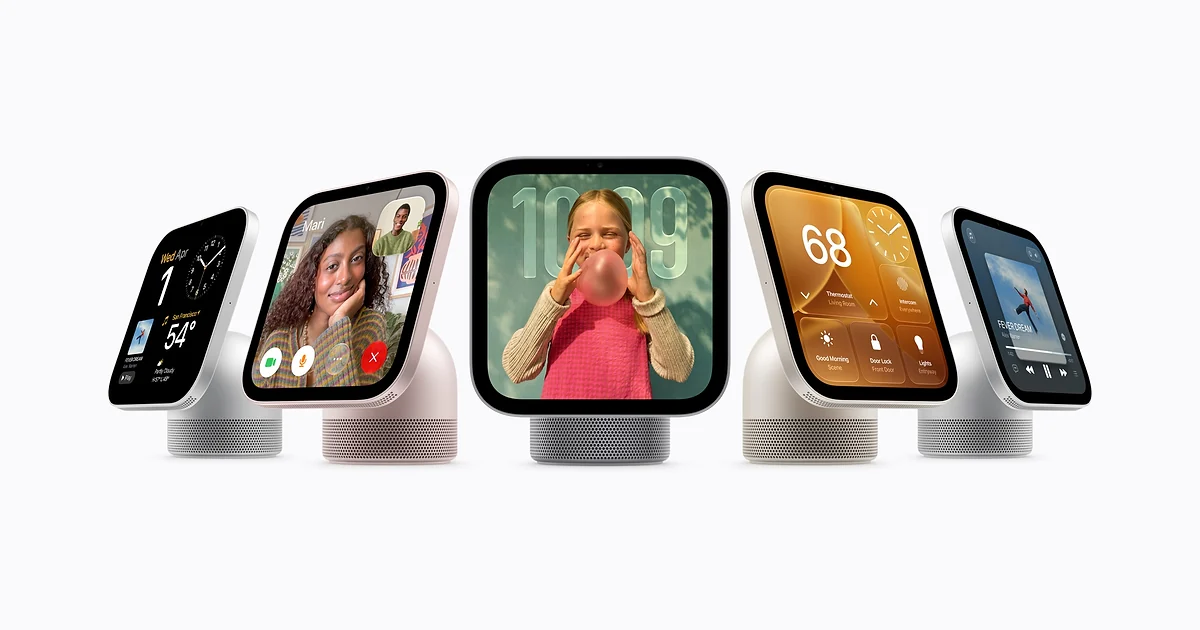
Apple has finally shipped the smart home display it was long rumored to be building. On Tuesday, October 13, the company announced Apple HomeView, a $299 device with a 7-inch screen and an A18 chip, designed to sit on a counter or hang on a wall and act as the shared control center of the home.
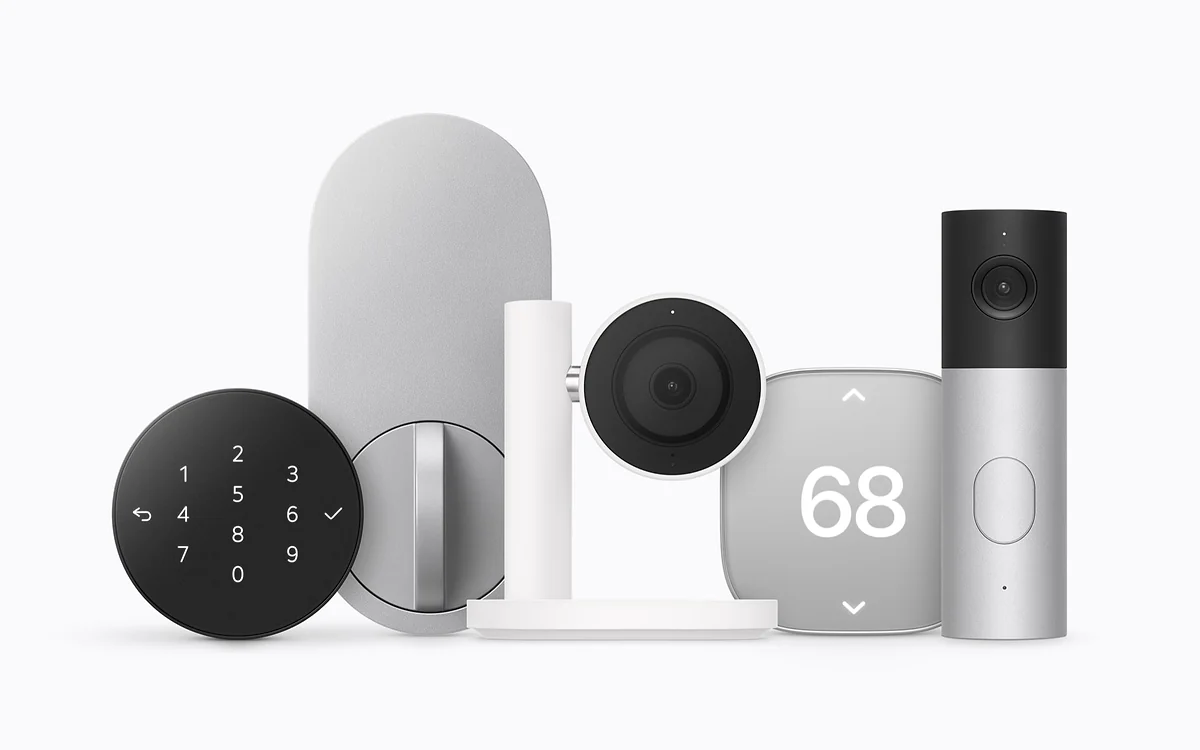
HomeView did not arrive alone. In a coordinated "Welcome home" release of a video and press releases, rather than a live keynote, Apple also introduced a new Apple TV 4K with the A19 chip, a $149 HomePod mini 2 and the Apple Home Collection, a curated line of cameras, locks and thermostats made by LG and Schneider Electric. Taken together, it is Apple's biggest smart home push to date.
Pre-orders opened yesterday and HomeView ships on November 13. It will not be sold in the European Union.
In Apple's words, "With a stunning 7-inch Liquid Retina display, HomeView brings entertainment, connection, and smart home management together in one place." The screen supports True Tone and ranges from 500 nits down to 0.3 nits, so it can stay readable in a bright kitchen and dim enough for a bedside table.
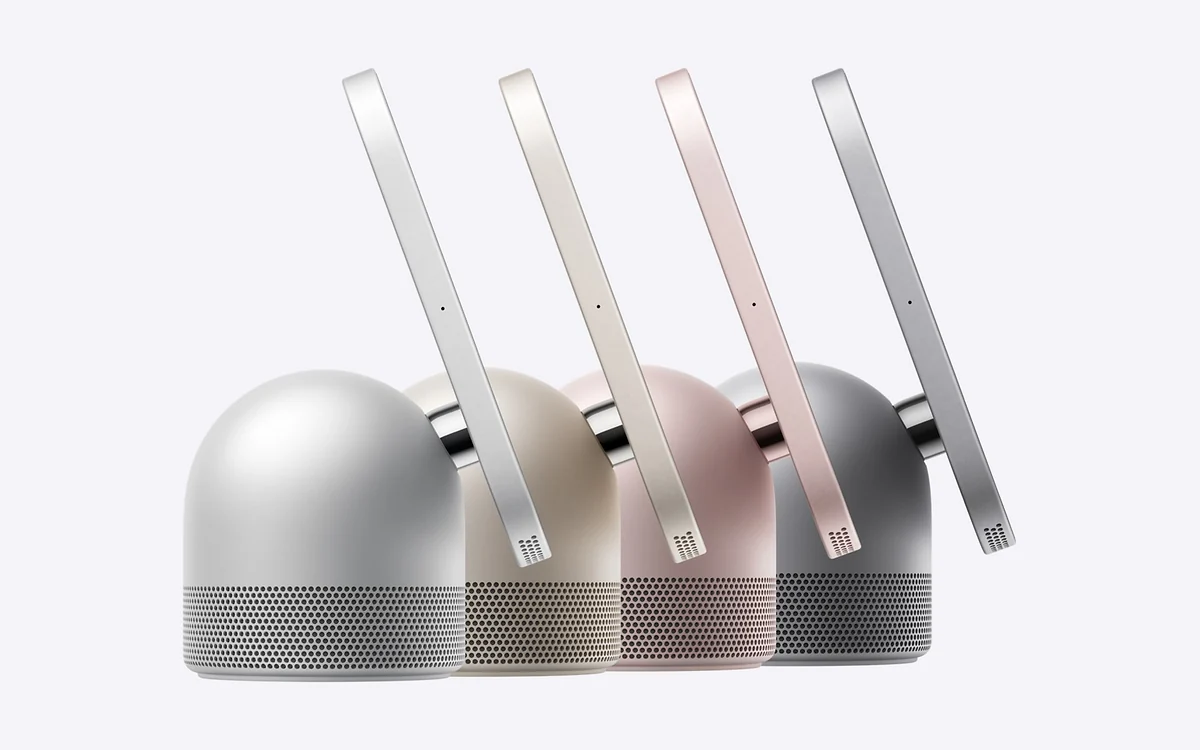
The body is aluminum with a stainless steel hinge that lets the screen tilt. The tabletop model comes in silver, starlight, rose pink and space gray. A wall-mounted version comes in space gray and silver.

Sound is a big part of the pitch. HomeView has two custom full-range drivers in the display, a down-firing woofer in the base and two force-cancelling passive radiators. It supports Spatial Audio, computational audio and AirPlay multiroom, so it can join other Apple speakers around the house.
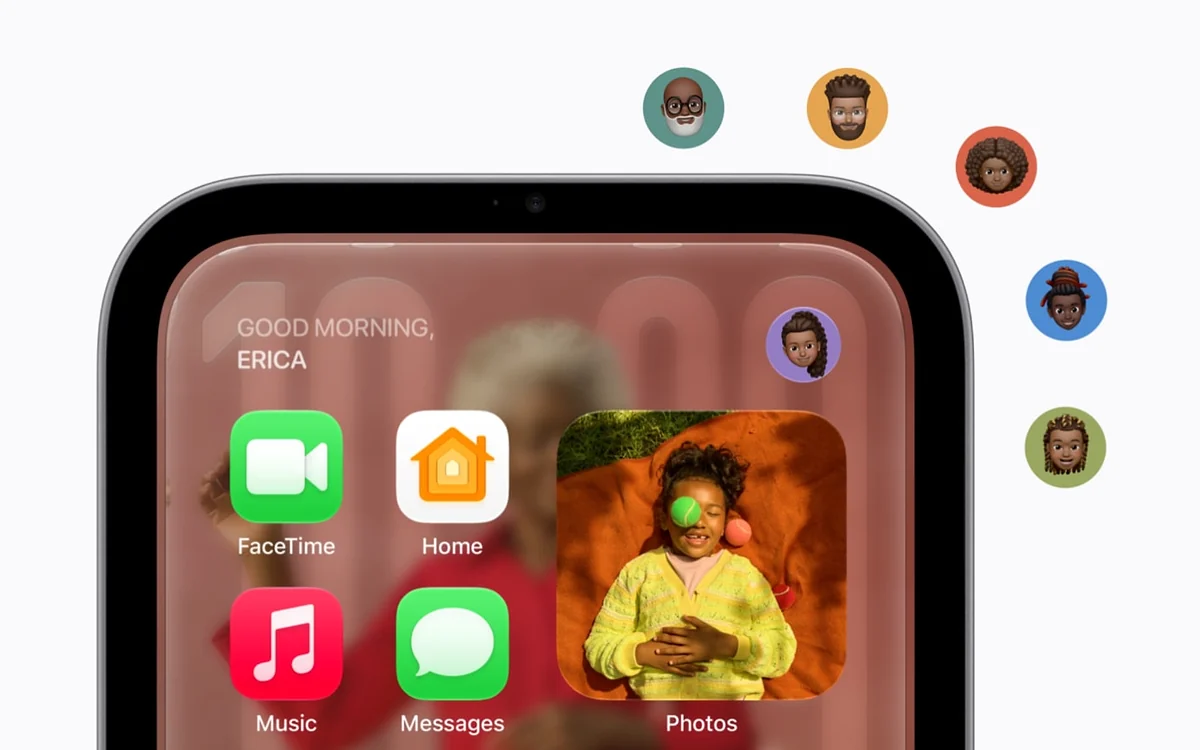
The headline feature is face recognition for up to six people. HomeView shows a household screen to everyone, then switches to a personalized Home Screen with that person's own apps and widgets when it recognizes an enrolled member of the household.
Personal content such as Messages and Calendar only appears when an enrolled user is recognized, and only if that person's paired iPhone is nearby and was recently unlocked. That second check is meant to stop a family member, or a photo, from opening someone else's messages.

Greg Joswiak, Apple's senior vice president of Worldwide Marketing, described the goal this way: "Apple HomeView is designed to be shared by everyone in the home yet feel completely personal to each user. It recognizes your face to shift from a household screen to your own experience, fills the room with incredible sound, keeps you connected to the people who matter most with FaceTime, and makes it easy to control your smart home."
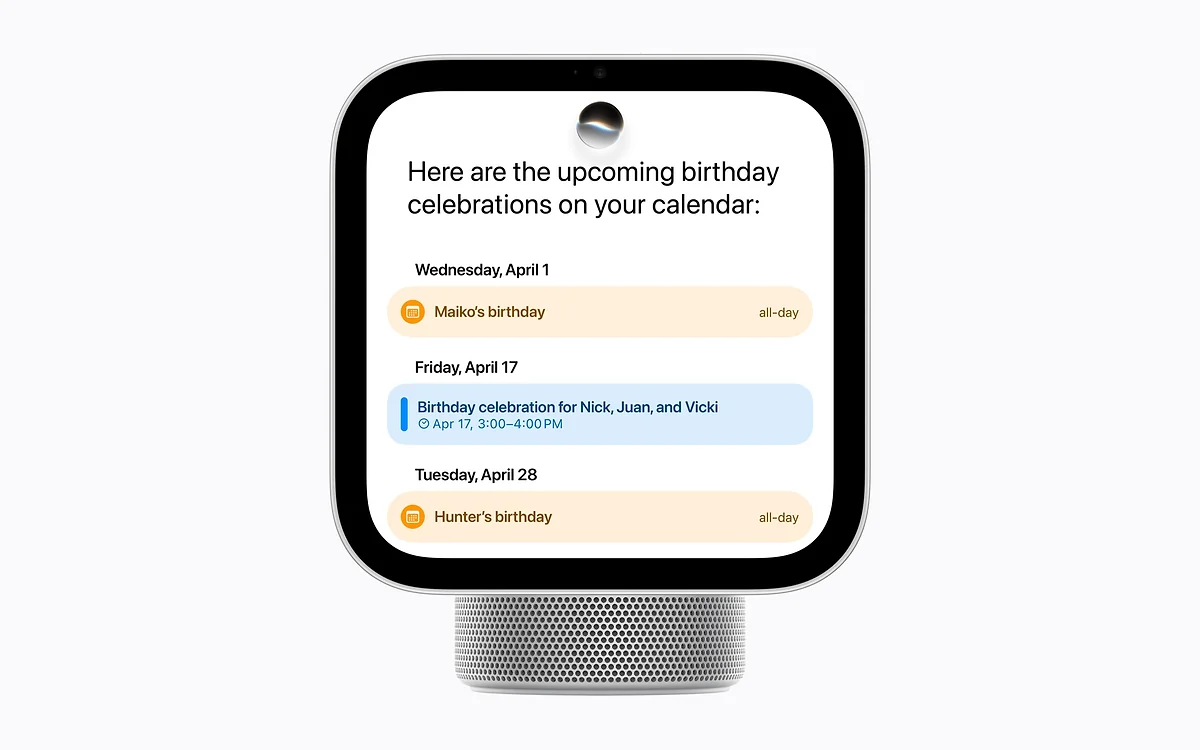
HomeView is also a launch vehicle for Siri AI, which Apple describes as an entirely new version of Siri. It is more conversational, has broad world knowledge and onscreen awareness, and can draw on personal context from the user's iPhone, such as Calendar, Messages and Apple Music.
Requests are handled either on the device or through Apple's Private Cloud Compute. Siri AI ships as a beta in HomeView software 27.2, so buyers should expect it to change after launch.

At launch Siri AI works in English for the US, Australia, Canada, India, New Zealand, Singapore, South Africa and the UK. Apple says French-Canadian support will follow in a free software update.
A camera and microphone that sit in the kitchen all day raise obvious privacy questions, and Apple addressed them directly. According to the press release, "HomeView and the A18 chip include Secure Exclaves: protected and compartmentalized runtimes used to process camera and microphone data separately from the rest of the system."
Apple says data processed in Secure Exclaves cannot be accessed by software, apps, the user or Apple itself. That is a company claim, and independent testing will matter once devices reach buyers.
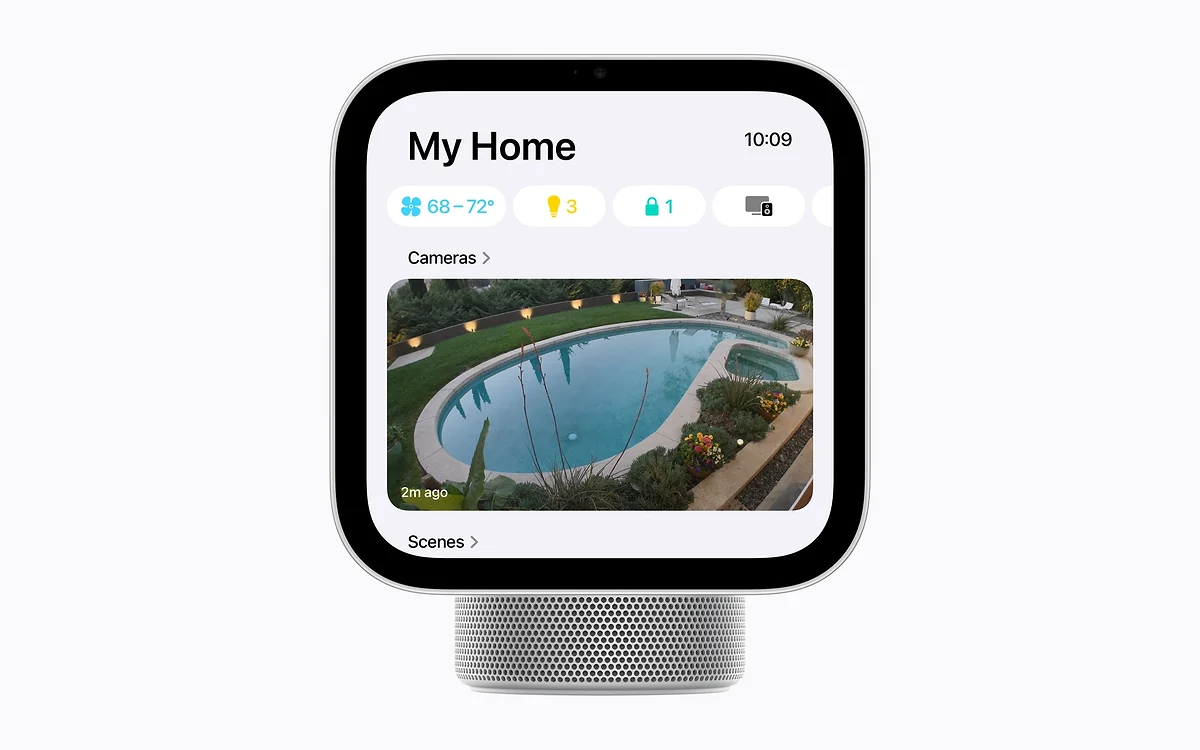
Beyond the personal views, HomeView covers the jobs people expect from a smart display:
For cameras, Apple says "The Home Camera face can livestream up to nine video feeds at once, letting users keep an eye on doorstep deliveries and pets playing in the yard."

Both versions of HomeView cost $299 in the US. Pre-orders opened on October 13 through apple.com/store and the Apple Store app in Australia, Canada, India, New Zealand, the UK and the US, and the device is available from November 13, 2026.
The wall-mounted model needs a power mount, which is sold separately:
Apple states: "Apple HomeView is not available for sale in the European Union, as Siri AI is currently unavailable in iOS in the EU." Because the product is built around Siri AI, Apple is not selling it there at all.
On the environmental side, Apple says the enclosure base uses 100% recycled aluminum, the magnets use 100% recycled rare earth elements and the packaging is 100% fiber-based.
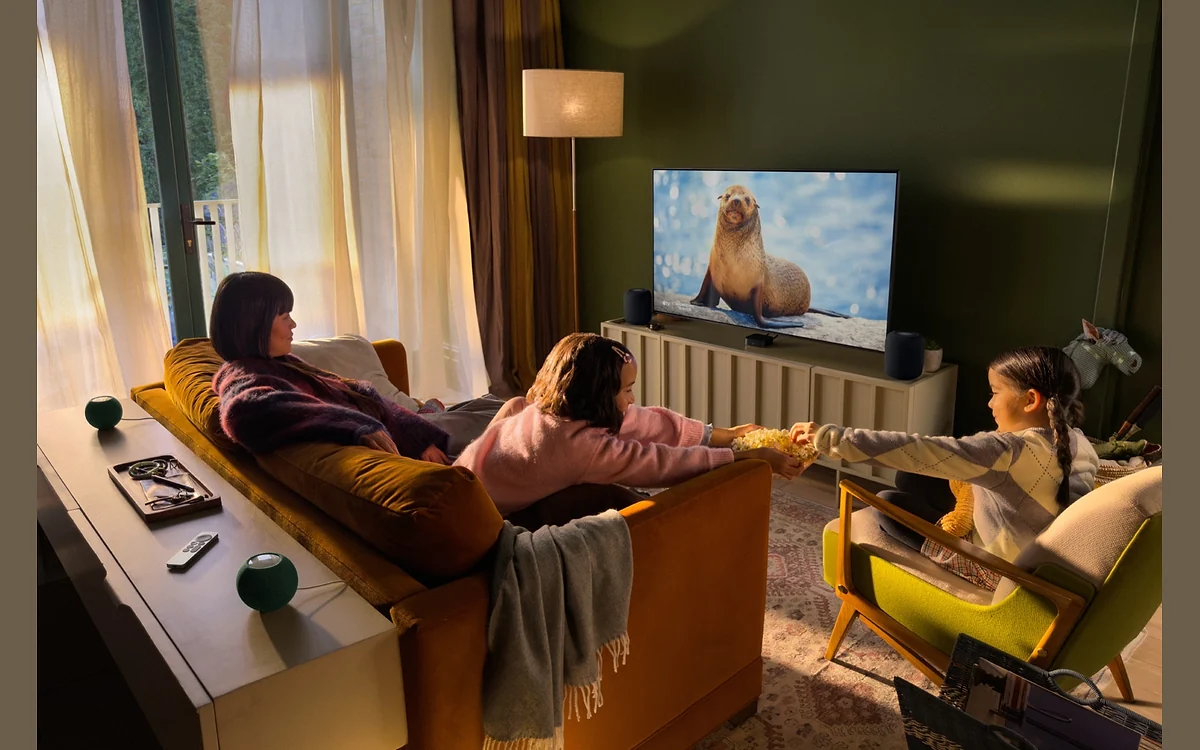
The new Apple TV 4K moves to the A19 chip, which Apple says delivers up to 50% faster CPU performance and up to 2x faster graphics than the previous generation. It adds a dedicated AV1 decoder, three far-field microphones for hands-free Siri AI, and built-in Wi-Fi and Thread. It can also drive a four-speaker surround setup using pairs of HomePod mini 2 or HomePod (2nd generation) speakers. The Siri Remote gains Precision Finding in Find My.
Apple lists the new Apple TV 4K at $299 in the US, with pre-orders from October 13 and availability on November 13, 2026 in the US and 29 other countries. Siri AI is also coming as a beta to Apple TV 4K (2nd generation) and later.

HomePod mini 2 runs on Apple's S10 chip and comes in pink, green, blue, white and midnight. A "Sound Glow" top pulses with the music, the speaker can now work as a Mac speaker, and it supports Sound Recognition for smoke and CO alarms plus voice recognition for up to six household members.
It costs $149 in the US, with pre-orders from October 13 and availability on Friday, October 30, 2026. Siri AI is not there at launch and will arrive in a future software update.
The Apple Home Collection is Apple's first own-brand line of smart home accessories, though Apple curates them rather than builds them: the hardware is made by LG and Schneider Electric. US prices:

All of them are Thread devices that set up with one tap on an iPhone, without a separate app. Cameras come with 10 days of event history through iCloud+ and need no separate camera subscription, and footage is end-to-end encrypted. The collection arrives in December 2026, with some products following in early 2027.
Apple did not name competitors, but HomeView lands in a category that Amazon's Echo Show and Google's Nest Hub have had largely to themselves. At $299, HomeView sits well above the entry-level displays from both, and Apple is betting that face-based personal views, better sound and tight iPhone integration justify the premium.
The bigger shift is the ecosystem around it. With a hub, refreshed speakers and Apple TV, and accessories that set up without third-party apps or camera subscriptions, Apple now offers an end-to-end smart home lineup. How well Siri AI performs once it leaves beta will decide much of whether that bet pays off.
$299 in the US for both the tabletop and the wall-mounted model. The wall model needs a power mount sold separately, from $59.95.
November 13, 2026. Pre-orders opened on October 13 in Australia, Canada, India, New Zealand, the UK and the US.
No. Apple says HomeView is not for sale in the European Union because Siri AI is currently unavailable in iOS there.
Up to six. Each recognized person gets their own Home Screen, and personal content such as Messages appears only when their paired iPhone is nearby and recently unlocked.
No. It ships in beta in HomeView software 27.2, in English at launch, and comes to HomePod mini 2 in a later software update.
No separate camera subscription is required. They include 10 days of event history through iCloud+, with end-to-end encrypted footage.
More in Tech News
Browse Tech News