TorGuard VPN Review 2026: Stealth Power, Pricing and Red Flags
TorGuard review for 2026: plans from $9.99/month, V2Ray and Shadowsocks stealth, residential IPs and port forwarding, weighed against strict refunds, no audit and signs of neglect.
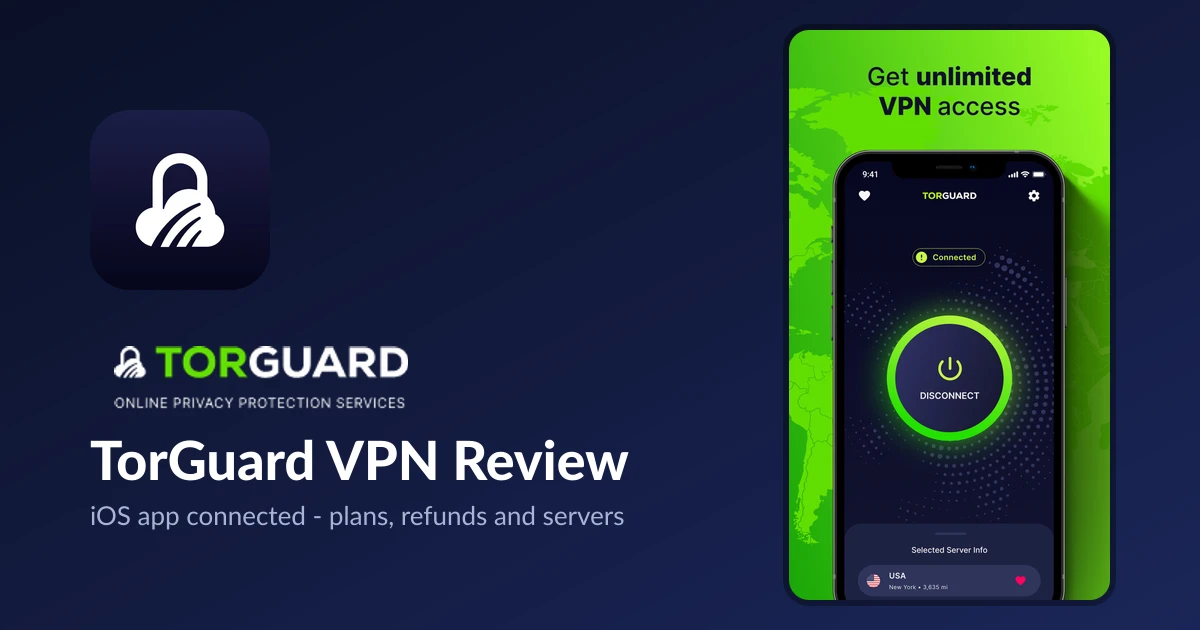
TorGuard has been around for more than a decade and built its reputation on features most VPNs skip: stealth protocols for censored networks, dedicated and residential IP addresses, and port forwarding.
This review covers what TorGuard sells in 2026, what it actually costs across its conflicting price pages, how its refund rules work, what its privacy record looks like, and whether a product that third-party reports describe as barely maintained is still safe to buy.
Quick verdict
TorGuard is a VPN built for people who know what they want from a VPN: stealth protocols that get past deep packet inspection, a dedicated or residential IP address, and port forwarding. Few mainstream providers offer all three, and TorGuard has offered them for years.
The problem in 2026 is everything around that toolkit. The company is based in Florida, its no-logs policy has never been independently audited, its own pages quote different prices for the same plan, its refund policy is much narrower than its homepage suggests, and third-party reporting describes a product that is barely being maintained.
Bottom line
Worth a look only if you specifically need V2Ray or Shadowsocks stealth, a residential IP or port forwarding, and you can test it inside the 7-day window. For most buyers there are safer, better-maintained choices.
- Best for: power users in restrictive networks, people who need a static or residential IP, self-hosters who need port forwarding
- Not for: anyone who wants an audited no-logs VPN, US torrenting, or a polished, actively developed app
- Price: from $9.99/month or $59.99/year on the buy page ($10.99/month on the homepage)
- Devices: 8 on Standard, 12 on Pro, 16 on Stealth VPN Ultimate
- Refund: 7 days, first-time customers only, with long exclusions
Pricing and plans
TorGuard sells three consumer VPN tiers, plus a business plan and an anonymous email service. The catch is that the prices depend on which of TorGuard's pages you are reading.
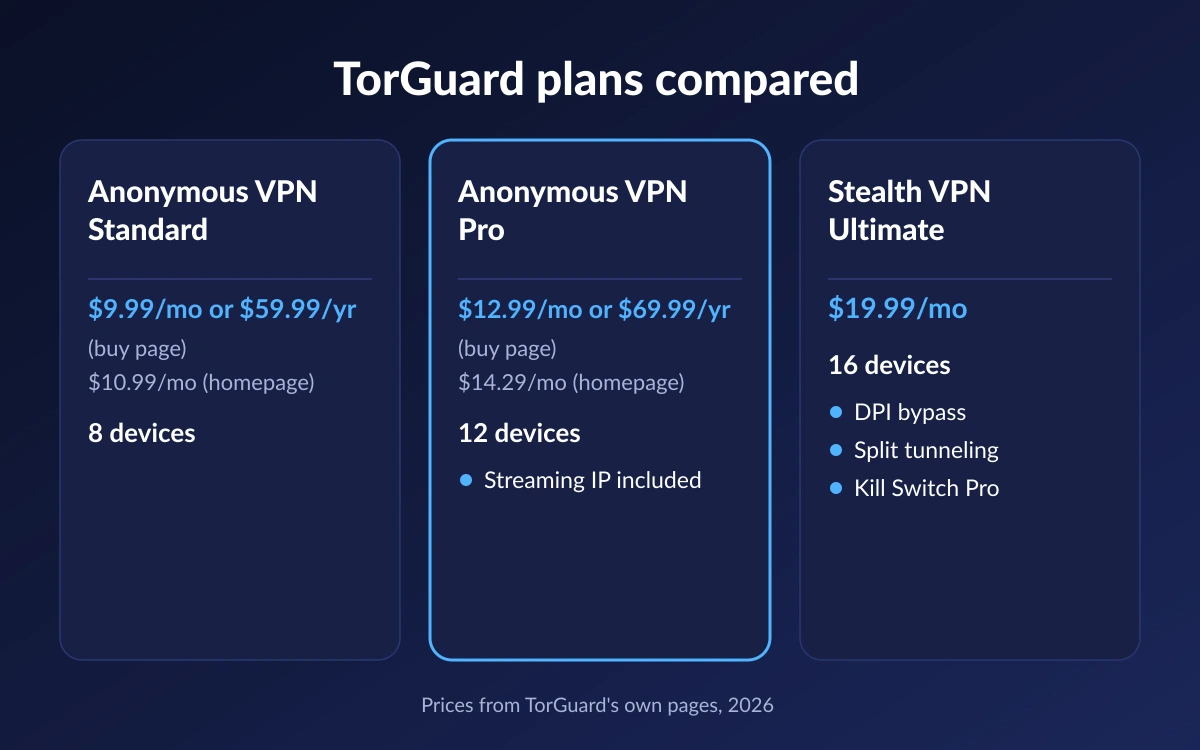
Anonymous VPN Standard
- $9.99/month or $59.99/year on the buy page
- $10.99/month on the homepage
- 8 simultaneous connections
Anonymous VPN Pro
- $12.99/month or $69.99/year on the buy page, with one streaming IP included
- $14.29/month on the homepage, advertised with a free dedicated IP and streaming
- 12 simultaneous connections
Stealth VPN Ultimate
- $19.99/month
- Everything in Pro, plus the stealth protocol with DPI firewall bypass and advanced obfuscation
- Kill Switch Pro, split tunneling and network lock
- 16 simultaneous connections
App Store pricing
Buying inside the iOS app costs more: $12.99 monthly, $25.99 quarterly, $38.99 semi-annual and $77.99 annual, each with a 7-day free trial. The App Store listing says these subscriptions cover up to five devices, fewer than the website plans.
Business VPN
The 2026 homepage advertises Business VPN from $32.99/month. The dedicated business page, last captured in August 2025, listed higher tiers: Starter at $44.99/month for 5 users and 1 dedicated IP, up to Large at $199.99/month for 20 users and 10 dedicated IPs, with white-label branding for $19/month extra. Confirm the current price at checkout.
Protocols and stealth features
This is where TorGuard stands out. Standard connections use WireGuard, OpenVPN, IKEv2 or OpenConnect. On top of that, TorGuard can wrap traffic in Shadowsocks or Stunnel, and it offers OpenVPN obfuscation, SSTP and SSH tunnels for networks that block ordinary VPN traffic.
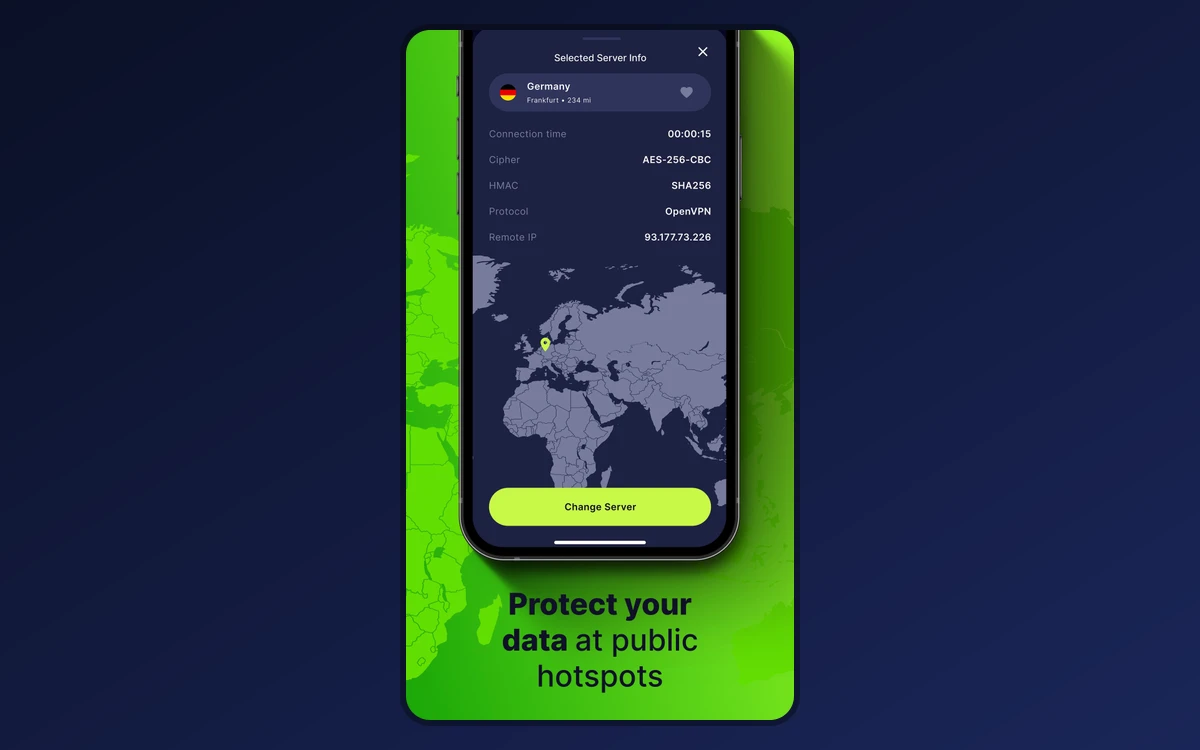
Its V2Ray stack goes further than most consumer VPNs, with VMess, VLESS, Trojan, Reality, SSL and SSH transports in a separate V2Ray app for Windows, macOS, Linux, Android, iOS and OpenWrt routers. If you travel to or live in a country that filters VPNs, this is the main reason to consider TorGuard.
Other features
- Full-connection kill switch or per-app kill switch
- Ad-blocking DNS that filters ads, trackers and malware while connected
- Split tunneling, listed only on the Stealth VPN Ultimate tier
- Browser extensions for Chrome and Firefox
WireGuard caveat
In CyberInsider's testing, TorGuard's WireGuard connections were inoperable and kept returning connection errors. Test WireGuard during your first week, and fall back to OpenVPN if it fails.
Servers, dedicated and residential IPs
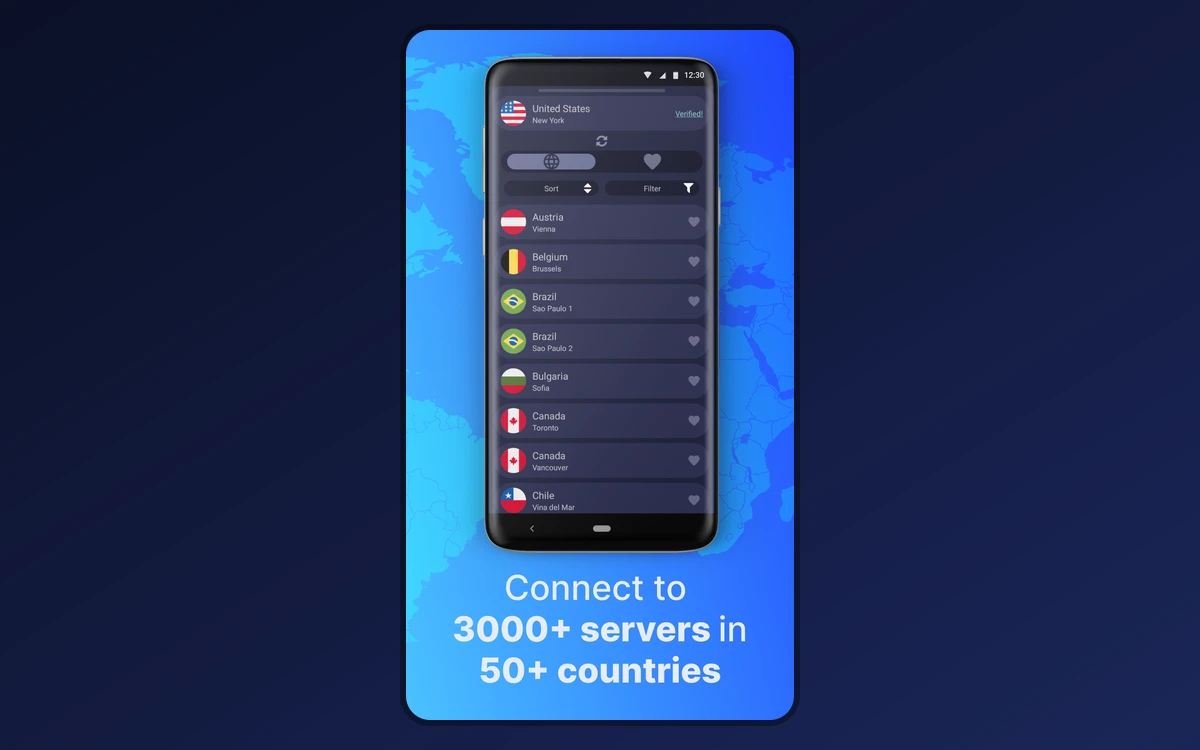
TorGuard claims 3,000+ servers in 50+ countries on its homepage and 55+ countries on its buy page. The homepage location list itself names 34 countries, so treat the headline numbers as marketing.
Dedicated and streaming IPs
A dedicated IP, one that only you use, is listed at $14.29/month, and TorGuard also sells streaming and sports IPs. A private IP helps you avoid CAPTCHAs, blocklists and the account flags that come with shared VPN addresses.
Residential IPs
Residential IPs are rarer. TorGuard lists them at $19.99/month, or $10.83/month on annual billing, in US and UK locations. The US addresses come from consumer ISPs, including Sprint and Spectrum in Los Angeles, RCN in Delaware, Atlas Networks in Seattle, and AT&T and Windstream in Ashburn, Virginia. Traffic from a residential address looks like an ordinary home connection, which matters for services that block datacenter IPs.
Port forwarding
TorGuard supports port forwarding on ports above 2048 over OpenVPN, WireGuard and OpenConnect. That is useful for self-hosting, remote access and seeding torrents on servers outside the US.
Apps and device support
TorGuard has apps for Windows, macOS, Linux, Android, iOS and routers, plus the separate V2Ray app. The mobile apps rate reasonably well: 4.64 stars from 1,444 ratings on the iOS App Store and 4.3 stars with 1M+ downloads on Google Play.
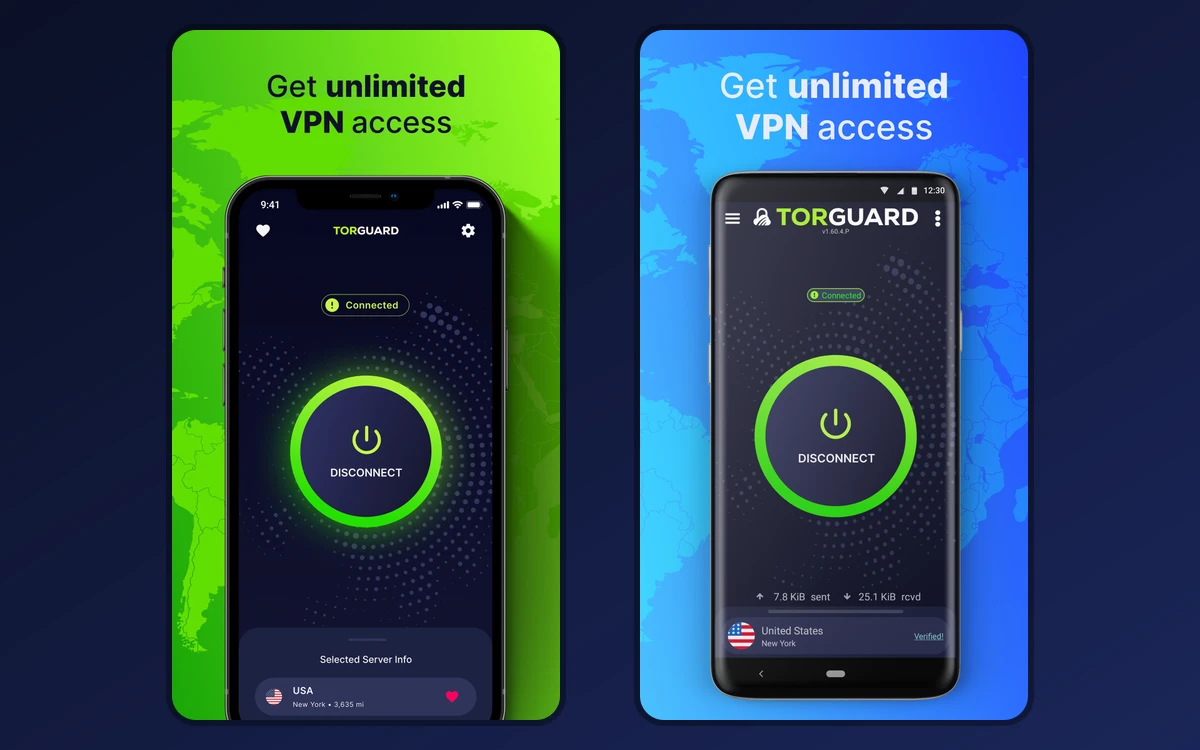
The mobile apps are still getting updates, at least occasionally. The iOS app reached version 2.2.12 on February 18, 2026, and Google Play shows the Android app last updated on November 5, 2025. The desktop app is the weak spot: according to vpntierlists, it has not been updated since version 4.8.29 in February 2024.
- Standard plan: 8 simultaneous connections
- Pro and Business plans: 12 simultaneous connections
- Stealth VPN Ultimate: 16 simultaneous connections
- Proxy clients: 8 simultaneous connections
- iOS App Store subscriptions: up to 5 devices
Refunds and free trial
The homepage promises a "no questions asked 7-day refund policy". The terms of service add conditions that matter:
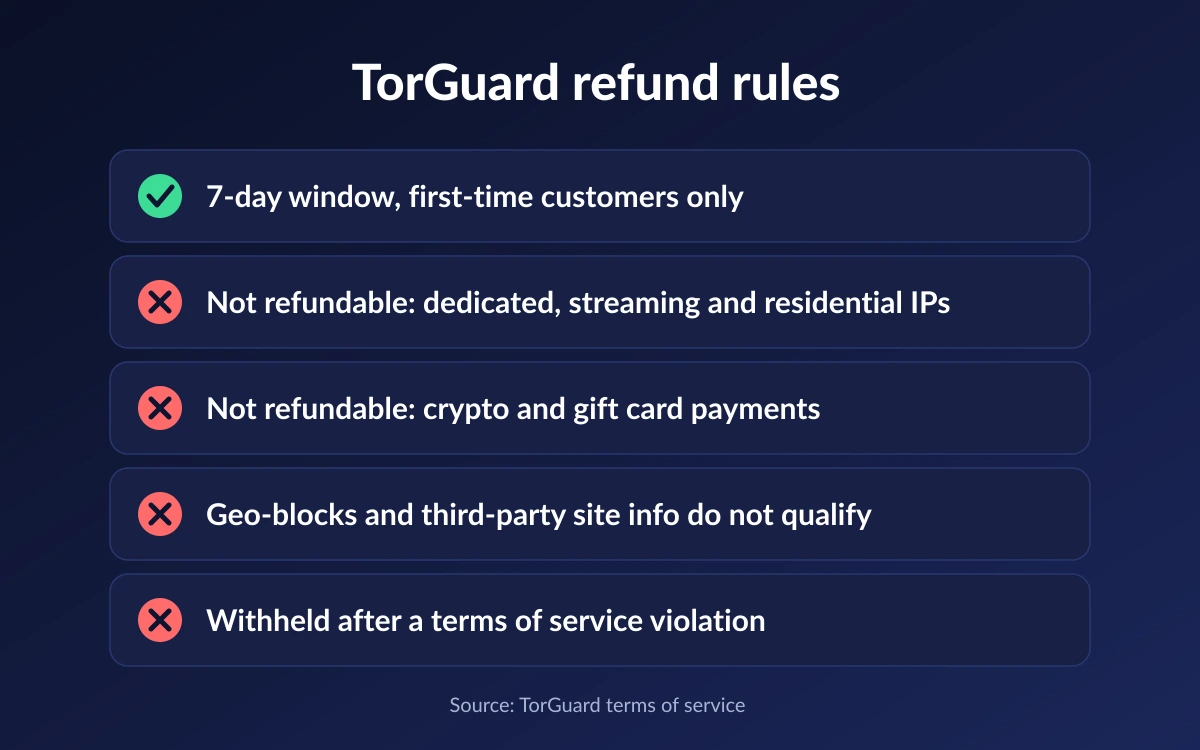
- Refunds are for first-time customers only, and requests made after seven days will typically be denied
- Dedicated IPs of any kind, including streaming, residential and regular, are excluded
- Geo-location problems, blocks and information from third-party sites do not qualify
- Crypto and gift card payments are not refundable
- Refunds are withheld after a terms of service violation
So if you pay in Bitcoin or Monero for privacy, or buy the residential IP that is one of TorGuard's best features, you cannot get your money back. Test with a card payment on a base plan first.
Free trial
TorGuard advertises a free 7-day trial with no credit card required. Its terms say the trial becomes a paid subscription after seven days, so cancel before then if you do not want to be charged. iOS in-app subscriptions also come with a 7-day free trial.
Payment methods
TorGuard accepts Visa, Mastercard, Amex, Hipercard, Bancontact, Alipay, gift cards and many cryptocurrencies, including BTC, LTC, ETH, DOGE, DASH, XMR, ZEC and XRP.
Privacy, logging and jurisdiction
TorGuard's privacy policy says it "does not collect or log any data from its Virtual Private Network (VPN) or Proxy services", and that IP address assignments and connection times are not stored. Its website still keeps Apache web server logs, runs self-hosted Matomo analytics that are purged every 90 days, and stores payment data.
No independent no-logs audit has been published. Competitors at this price have had their no-logs claims checked by outside firms, so with TorGuard you are relying on the policy alone.
The service is operated by VPNetworks LLC in Orlando, Florida. Its terms are governed by Florida law, with arbitration in Orange County. A US company can be served with US legal process, and the 2022 settlement below shows that legal pressure changes how TorGuard runs its network.
Security incidents and legal history
The 2017 server breach
BleepingComputer reported in October 2019 that a 2017 compromise at several VPN providers exposed a TorGuard Squid proxy certificate and OpenVPN keys. TorGuard said it was the only affected provider using secure PKI management, so its main CA key was not on the compromised server.
The NordVPN lawsuit
In 2019, TorGuard's operator sued NordVPN's parent Tefincom and its affiliates in the Middle District of Florida, alleging a blackmail and smear campaign. The court dismissed the case without prejudice for lack of jurisdiction.
The torrenting block on US servers
In 2022, to settle a lawsuit brought by film studios, TorGuard agreed to "use commercially reasonable efforts to block BitTorrent traffic on its servers in the United States using firewall technology." CyberInsider reports that torrenting is now blocked on all US servers. P2P still works on servers in other countries.
Is TorGuard still maintained in 2026?
This is the question any 2026 buyer has to answer. A February 2026 report from vpntierlists describes a product in maintenance mode:
- The desktop app was last updated on February 26, 2024 (version 4.8.29)
- The lead developer left in May 2024
- Forum threads from November 2025 are titled "Product appears to be defunct"
- In February 2026 the official Twitter account was transferred to vx-underground
- Affiliates report months of unpaid commissions
These are third-party reports, and there are signs the other way: the Android app was updated in November 2025, the iOS app in February 2026, and the website is still selling plans. Even so, a VPN is security software. An untouched desktop client and a company that has gone quiet are a real risk, not just a cosmetic one.
Who should buy TorGuard
TorGuard still makes sense for a narrow group: people who need V2Ray or Shadowsocks to get through censorship, people who need a residential US or UK IP, and people who need port forwarding on a static address. For them the toolkit is hard to match, and the monthly plan lets you test it cheaply.
Everyone else should look elsewhere. If you want an audited no-logs policy, a provider outside US jurisdiction, torrenting on US servers or apps that are clearly under active development, TorGuard does not deliver them in 2026.
If you do buy
Pay monthly with a card, try the free trial or stay inside the 7-day refund window, test WireGuard and your stealth protocol on day one, and only add a dedicated or residential IP once you are sure you are staying.
Frequently asked questions
How much does TorGuard cost?
TorGuard starts at $9.99/month or $59.99/year for the Standard plan on its buy page. The homepage lists the same plan at $10.99/month, Pro is $12.99 to $14.29/month depending on the page, and Stealth VPN Ultimate is $19.99/month.
Does TorGuard have a free trial?
Yes, TorGuard advertises a 7-day free trial with no credit card required. Its terms say the trial becomes a paid subscription after seven days, and iOS in-app subscriptions also include a 7-day trial.
Can I get a refund from TorGuard?
Only within 7 days, and only as a first-time customer. Crypto and gift card payments, and every kind of dedicated, streaming or residential IP, are excluded from refunds.
How many devices can I use with TorGuard?
8 simultaneous connections on Standard, 12 on Pro and Business, and 16 on Stealth VPN Ultimate. Subscriptions bought through the iOS App Store cover up to five devices.
Does TorGuard keep logs?
TorGuard says it does not log VPN or proxy activity, IP assignments or connection times. No independent audit has confirmed this, and the company is based in Florida, under US jurisdiction.
Can I torrent with TorGuard?
Yes, but not on US servers. Since a 2022 settlement with film studios, TorGuard blocks BitTorrent on its US servers. Servers in other countries allow P2P, and port forwarding is available on ports above 2048.
Is TorGuard still being developed?
Development appears to have slowed sharply. Third-party reporting says the desktop app has not been updated since February 2024, though the Android app was updated in November 2025 and the iOS app in February 2026.
Key takeaways
- TorGuard's stealth toolkit - V2Ray, Shadowsocks, Stunnel and OpenVPN obfuscation - is among the strongest of any consumer VPN.
- Plans run from $9.99 to $19.99/month, but TorGuard's own pages disagree on prices, so check the total at checkout.
- Residential IPs in the US and UK and port forwarding above port 2048 are rare features that justify a look for specific needs.
- Refunds are limited to 7 days for first-time customers and exclude crypto, gift cards and all dedicated or residential IPs.
- US jurisdiction, no independent no-logs audit, a BitTorrent block on US servers and an untouched desktop app make it hard to recommend for most people.
More in Virtual Private Network
Browse Virtual Private Network