Linode Review 2026: Akamai Cloud Pricing, Uncapped G8 Billing and the Fine Print
Linode review for 2026: Akamai Cloud plans from $5/mo, hourly billing caps, the uncapped G8 and GPU plans, bandwidth, regional prices, credit and refunds.
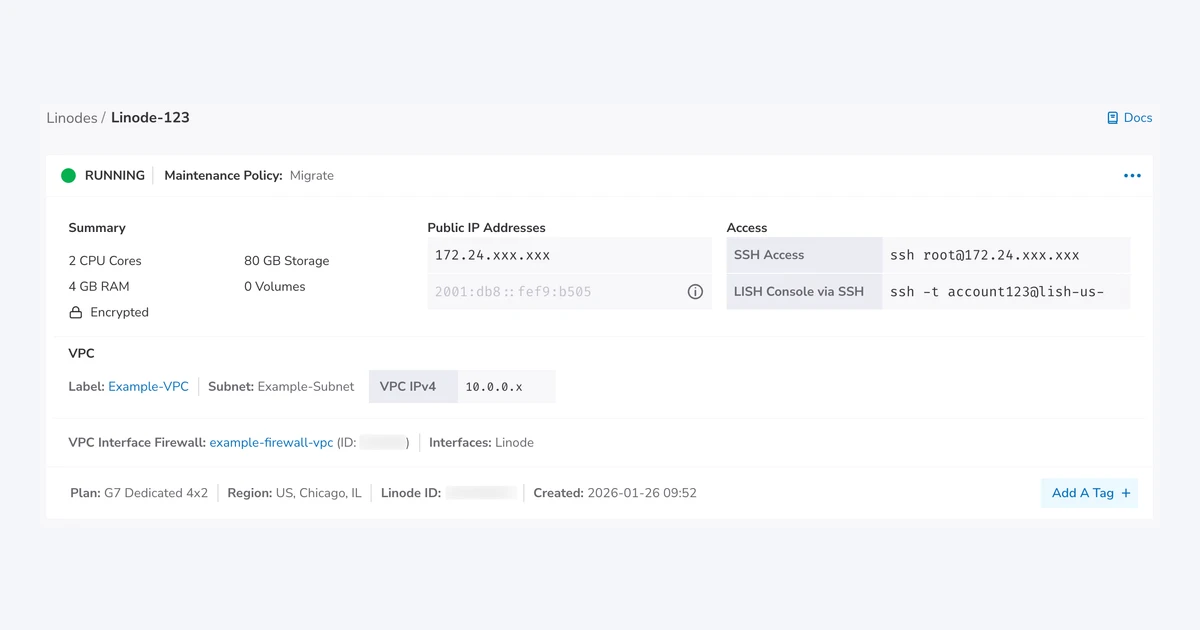
Linode built its name on cheap, no-nonsense Linux servers. Four years after Akamai bought it, the $5 Nanode is still there, but the website, the brand and some of the billing rules are not what long-time users remember.
This review prices out the current plans, explains the hourly billing model and the new uncapped plans, and goes through the fine print on bandwidth, regional pricing, credits and refunds, using Akamai's own documentation and public API as of September 2026.
Verdict in brief
Linode is still one of the simplest ways to rent a Linux server: a $5 Nanode, flat per-plan pricing, a generous transfer allowance and a clean control panel. What has changed is the owner and the rules. Akamai bought Linode in 2022, linode.com now redirects to akamai.com/cloud, and the product is sold as Akamai Cloud, even though the servers are still called Linodes and Nanodes.
For a classic VPS on a shared or older dedicated plan, the deal is as predictable as it ever was: hourly billing that stops at a monthly cap. The newest hardware is different. Since July 1, 2026, G8 dedicated plans, GPU plans and additional IPv4 addresses are billed for every hour they exist, with no monthly cap at all. That is the single most important thing to understand before you deploy.
- Best for: developers and small teams who want plain Linux VMs, managed Kubernetes and object storage from one bill, with 1 TB or more of transfer included even on the cheapest plan.
- Watch out for: uncapped hourly billing on G8 and GPU plans, charges on powered-off servers, and 20% to 40% higher prices in Jakarta and Sao Paulo.
- Skip it if: you want a sub-$5 server or managed WordPress hosting with a control panel built in.
Plans and prices
Akamai's pricing page now lists the familiar shared plans under the heading "Shared CPU Plans (Legacy Hardware)". They are still on sale and still the cheapest way in. Prices below are the base rates that apply in most regions.
- Nanode 1 GB: 1 vCPU, 1 GB RAM, 25 GB storage, 1 TB transfer - $5/mo or $0.0075/hr
- Linode 2 GB: 1 vCPU, 2 GB RAM, 50 GB storage, 2 TB transfer - $12/mo or $0.018/hr
- Linode 4 GB: 2 vCPU, 4 GB RAM, 80 GB storage, 4 TB transfer - $24/mo or $0.036/hr
- Linode 8 GB: 4 vCPU, 8 GB RAM, 160 GB storage, 5 TB transfer - $48/mo or $0.072/hr
- Linode 16 GB: 6 vCPU, 16 GB RAM, 320 GB storage, 8 TB transfer - $96/mo or $0.144/hr
The label "Legacy Hardware" is worth noticing, but no Akamai source says these plans are being retired. Treat it as a hint about where new investment is going rather than an end date.
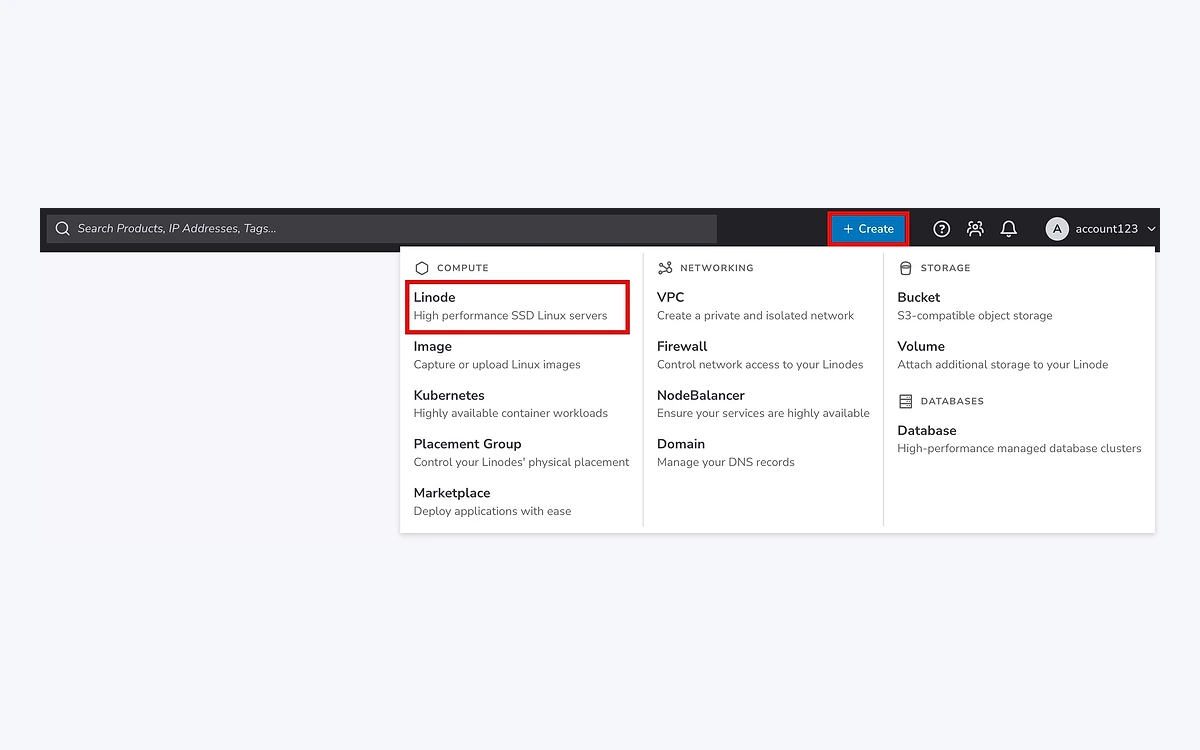
Dedicated CPU: G8 versus the older generations
The new G8 dedicated plans run on 5th Gen AMD EPYC processors and are priced by the hour only. G8 Dedicated 4x2 (2 vCPU, 4 GB RAM) costs $0.07/hr and G8 Dedicated 8x4 costs $0.14/hr; the range tops out at 256 vCPU and 512 GB RAM for $8.64/hr. Older dedicated plans are still sold with a monthly price: G7 Dedicated 4x2 is $43/mo ($0.0645/hr) and the G6 dedicated 2-vCPU plan is $36/mo ($0.054/hr).
Run the arithmetic before choosing. A G8 Dedicated 4x2 left on for a full month costs about $51 in a 30-day month and about $52 in a 31-day month, against a $43 ceiling for the G7 equivalent. The G8 is newer hardware, so it may well be worth it, but it is not the cheaper option for an always-on server.
High memory, premium CPU, GPU and video
- High Memory starts with Linode 24 GB: 2 vCPU, 24 GB RAM, 20 GB storage, 5 TB transfer - $60/mo or $0.09/hr.
How billing works, and where it bites
Akamai describes its model as hybrid hourly billing: each service is billed by the hour up to its monthly cap, and usage is always rounded up to the nearest hour. Spin up a Nanode for ten minutes and you pay for one hour; leave it on all month and you pay $5, not more.
No cap on G8, GPU and extra IPv4
Akamai's billing documentation: "Starting July 1, 2026, G8 dedicated Linodes, GPU Linodes, and additional IPv4 addresses are billed for actual hours used each month, with no monthly price cap." A forgotten GPU instance keeps charging every hour for as long as it exists.
The second trap catches newcomers from other clouds. Powering a Linode off does not stop the bill. In Akamai's words, "Charges accrue for any service present on an account, even if it's powered off or otherwise not actively being used," because the disk, RAM and network capacity stay reserved. To stop paying, delete the instance, keeping an image or backup first if you need the data.
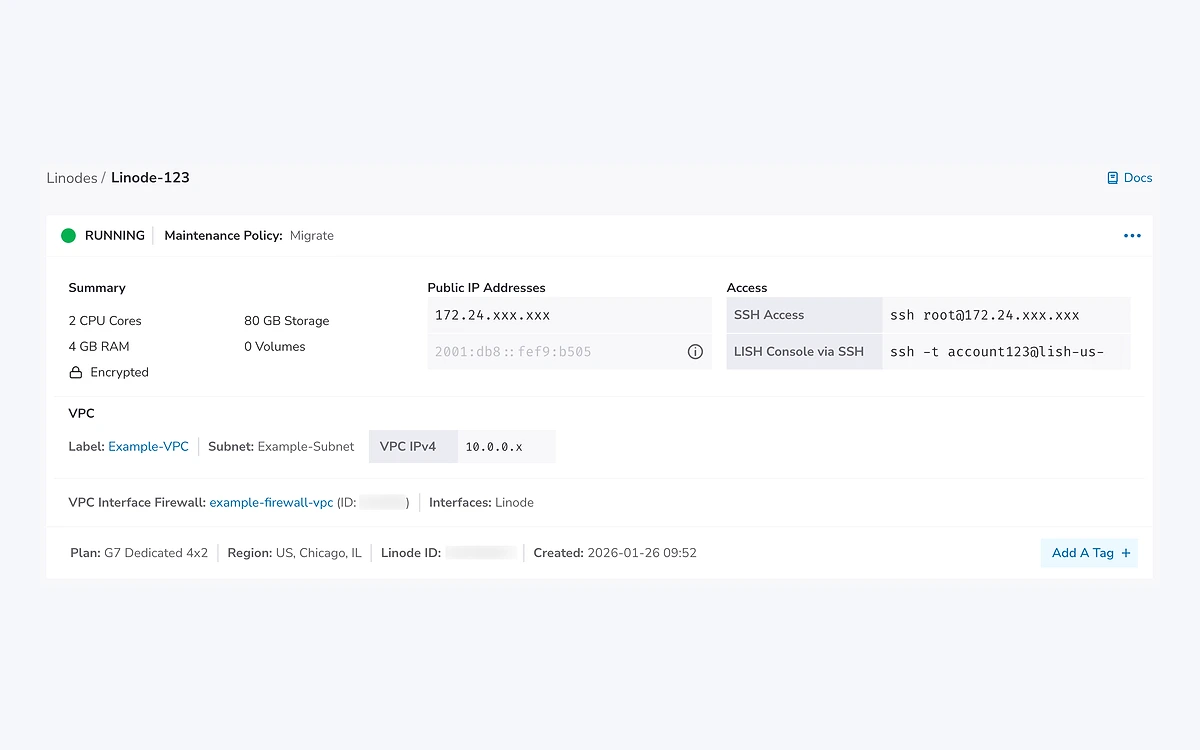
Everything else on the bill follows the same rule of thumb: plans with a monthly price are capped, plans shown only with an hourly price are not. Check which kind you are deploying on the plan picker before you click Create.
Regions and regional pricing
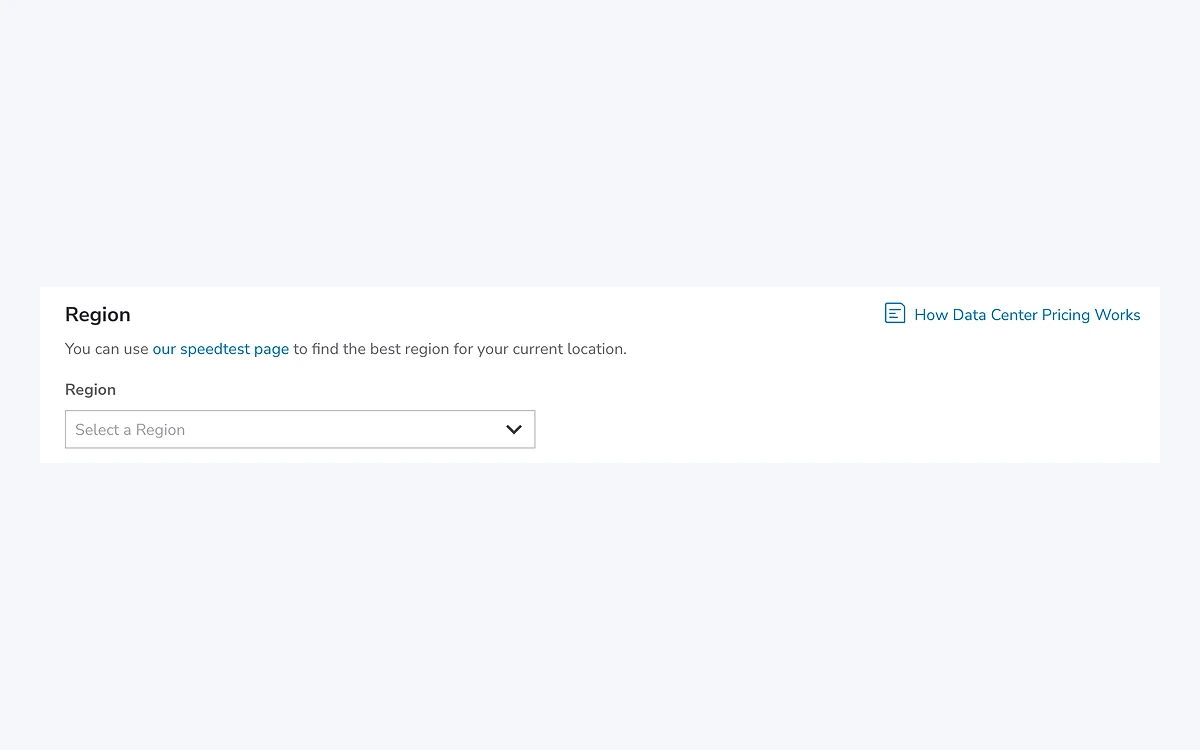
Akamai's public API lists 33 core compute regions. Recent additions include Chennai, Osaka, Miami, Jakarta, Los Angeles, Amsterdam, Melbourne, Mumbai 2, Frankfurt 2, Singapore 2, Tokyo 3, Washington 2, Paris 2, Sao Paulo, Seattle, Chicago, Stockholm, Madrid and Milan. Distributed compute regions also exist, but in limited availability.
Most regions share one price list. Jakarta and Sao Paulo do not. Akamai's billing documentation notes that "in some newer data centers, services and network transfer may be billed at separate rates due to higher regional infrastructure costs."
- Nanode 1 GB: $5 base, $6 in Jakarta, $7 in Sao Paulo
- Linode 4 GB: $24 base, $28.80 in Jakarta, $33.60 in Sao Paulo
- Linode 16 GB: $96 base, $115.20 in Jakarta, $134.40 in Sao Paulo
- Block Storage: $0.10/GB base, $0.12 in Jakarta, $0.14 in Sao Paulo
Bandwidth and network transfer
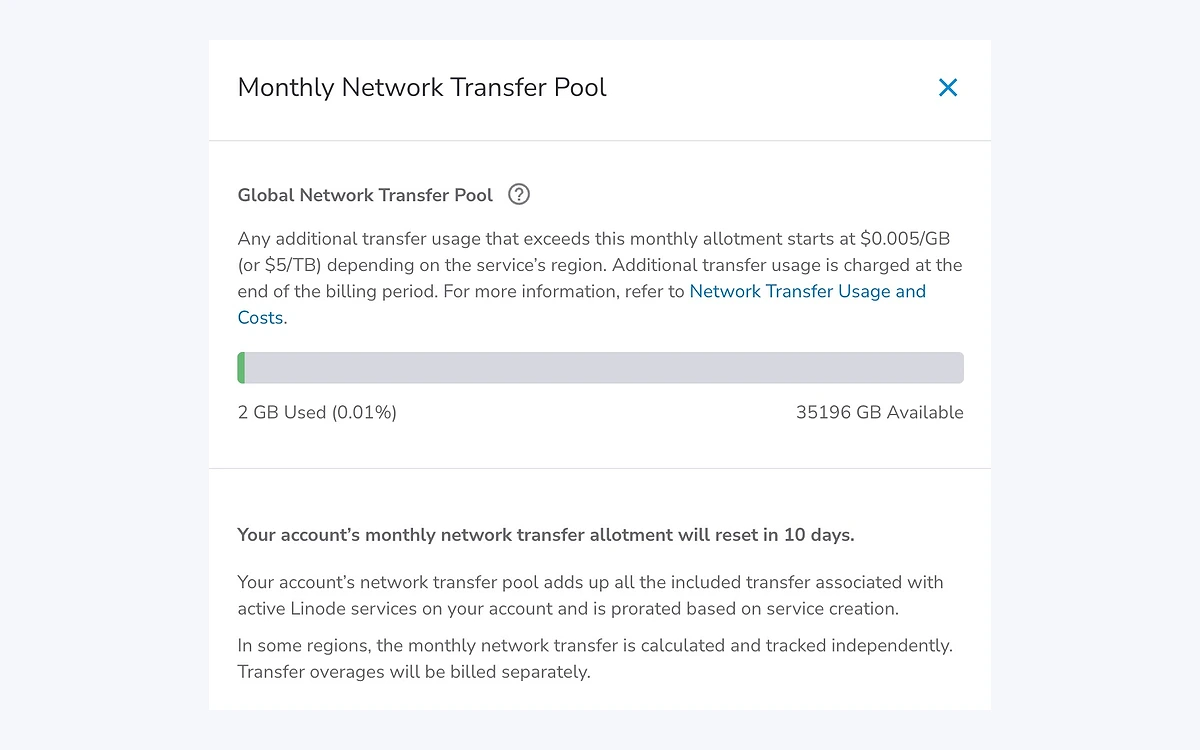
Transfer allowances are one of Linode's strongest points: 1 TB on the $5 Nanode, 2 TB on the $12 plan, 4 TB at $24. All inbound transfer is free. Outbound overage costs $0.005/GB in core regions, $0.015/GB in Jakarta and $0.007/GB in Sao Paulo.
Allowances from most core data centers go into a single account-wide pool, so a quiet server's unused transfer can cover a busy one. The exceptions matter: Jakarta and Sao Paulo are tracked in region-specific pools, and Akamai states that "No additional transfer allowance is added to region-specific network transfer pools, such as those for Jakarta and Sao Paulo." Distributed compute regions have no pooling at all.
Backups, storage, Kubernetes and databases
- Backups: up to four backups per Linode, priced per plan - $2/mo for a Nanode, $2.50 for 2 GB, $5 for 4 GB, $10 for 8 GB, $2.46/mo for G8 Dedicated 4x2.
- Block Storage: $0.10 per GB per month, so $1 for every 10 GB.
- Object Storage: $5/mo base with 1,000 GB of transfer included; storage overage is $0.02/GB.
- NodeBalancer load balancer: $10/mo ($0.015/hr). Premium ($0.225/hr) and Enterprise ($0.45/hr) tiers are hourly only.
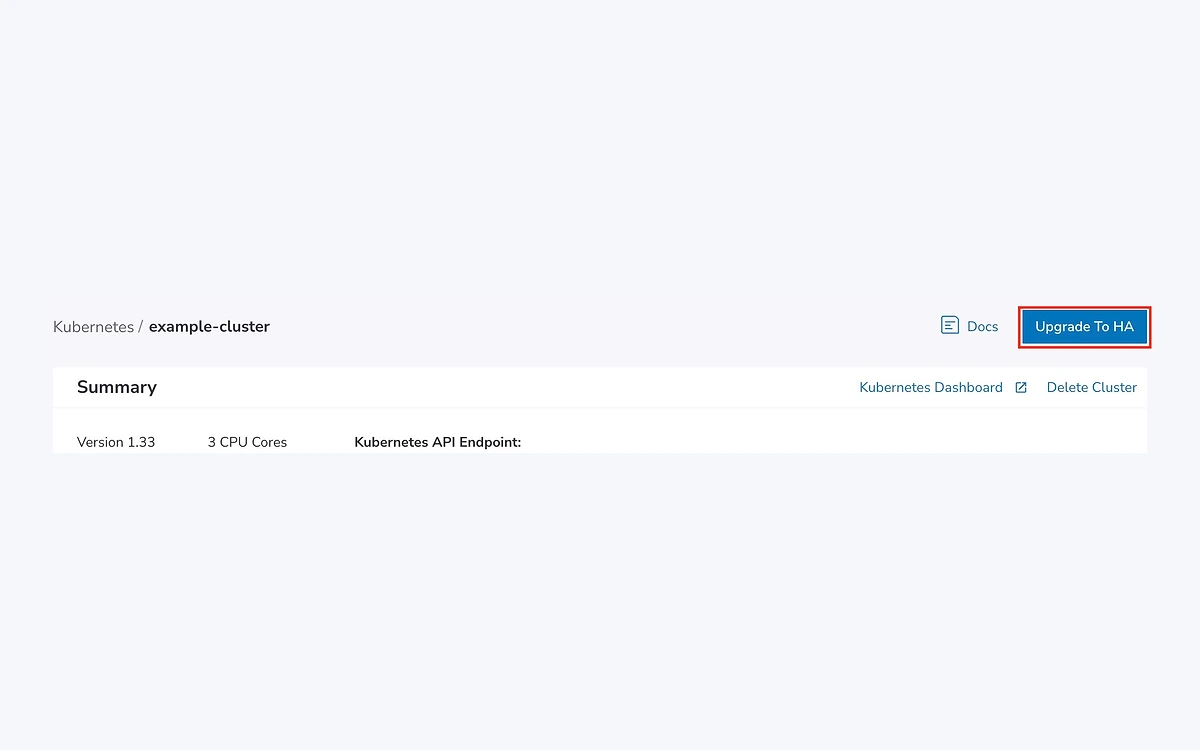
- Kubernetes (LKE): the standard control plane is free. The high availability control plane costs $60/mo ($72 in Jakarta, $84 in Sao Paulo), and LKE Enterprise costs $300/mo.
- Managed Databases: from $16/mo for a 1 GB shared MySQL node, or $37/mo for a three-node cluster.
One detail on LKE: Akamai's documentation says "Enabling HA is an irreversible change for your cluster." Once a cluster carries the $60 control plane, the only way back to the free tier is a new cluster.
Linode Managed, the monitoring and incident-response add-on, is billed at a fixed rate per Linode per month. Akamai's documentation does not publish the figure, so ask sales before counting on it.
Sign-up credit, cancellation and refunds
New customers can claim a US$100 promotional credit. It is only for customers who have not already had a free trial, it excludes GPU plans, and it needs a valid payment method, which is not charged during the trial. Unused credit expires. Akamai's offer page does not state how long it lasts; third-party sites say 60 days, so confirm the terms when you sign up.
The refund policy is clearer than most. Cancel within the first 7 days and you get a full refund. After that you can request a refund of any positive account balance, excluding promotional credit, for payments made within the last 180 days. A $5 processing fee is deducted from every refund except a cancellation inside the first 7 days.
SLA, support and reliability
Akamai's compute SLA, effective February 27, 2026, promises 99.99% monthly uptime for services in general availability and 99% for instances in limited availability. The remedy is a pro-rata credit for the affected month, claimed by support ticket within 30 days of the end of that month.
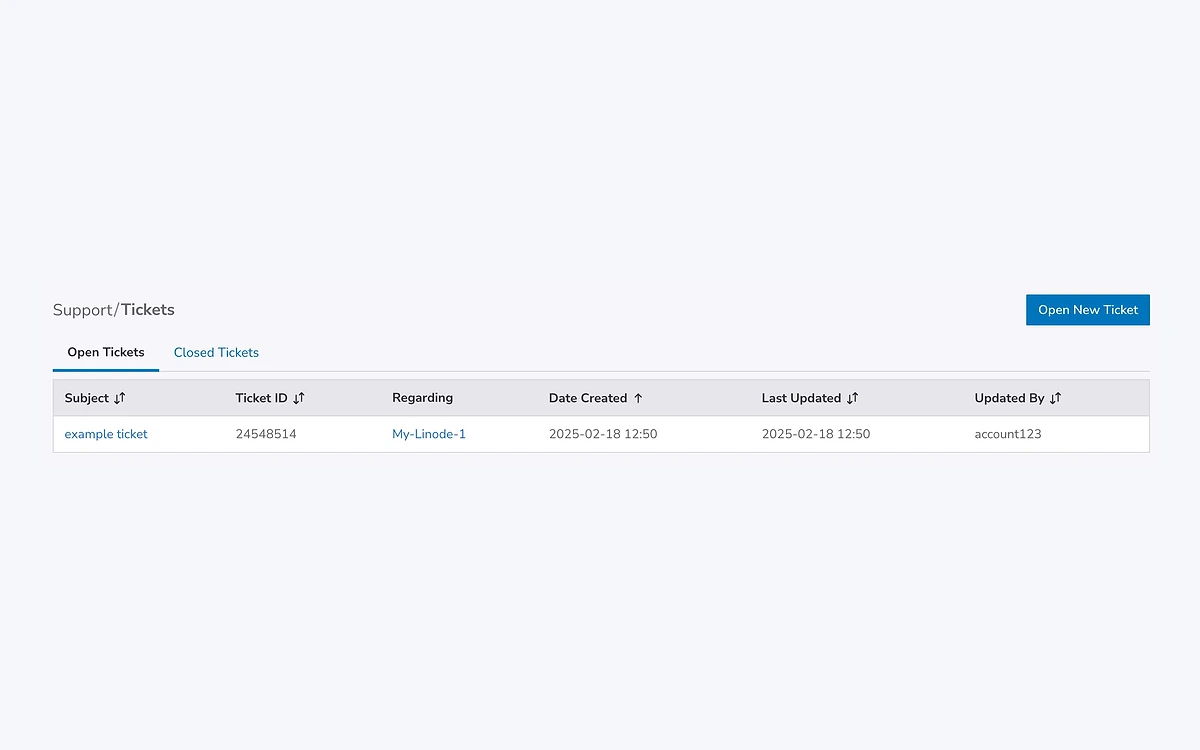
Support is available 24 hours a day by ticket, phone or email. Live chat is only in limited availability, and phone support is in English.
For a recent snapshot, the Linode status page's last 50 incidents, running from April 24 to late September 2026, include none rated major or critical and 22 rated minor. Examples include an LKE issue in Washington 2 on August 13, connectivity problems in Milan on July 20 and August 14, and Cloud Manager or API issues on September 7, 21 and 25. That is five months of data, not a long-term uptime record.
Linode vs Vultr vs DigitalOcean
All three sell developer-friendly Linux VMs with managed Kubernetes and object storage around them. The differences are in the billing details.
- Entry price: Linode starts at $5 for a 1 GB Nanode. Vultr goes lower, starting at $2.50/mo.
- Billing: Linode bills by the hour, rounded up, with a monthly cap on classic plans and no cap on G8, GPU and extra IPv4. Vultr caps billing at 672 hours a month. DigitalOcean bills per second.
- Transfer: Linode includes 1 TB even on the $5 plan and pools allowances across most regions.
- Parent company: Linode sits inside Akamai, which brings its network and edge products into the same account.
Our Vultr review and DigitalOcean review cover those two providers in the same format, if you want to compare line by line.
Who should choose Linode
- Choose it for always-on VPS workloads on shared or G6/G7 dedicated plans, where the monthly cap keeps the bill predictable.
- Choose it if outbound traffic is heavy: the included allowances and $0.005/GB overage are hard to beat.
- Choose it if you want a free Kubernetes control plane and can live without HA, or can pay $60/mo for it.
- Think twice if you plan to leave GPU or G8 instances running between jobs, or to park powered-off servers. Both keep billing.
Frequently asked questions
How much does Linode cost per month?
Linode starts at $5/mo for the Nanode 1 GB in most regions. Shared plans run $12, $24, $48 and $96 for 2, 4, 8 and 16 GB of RAM; Jakarta and Sao Paulo are about 20% and 40% more.
Is Linode the same as Akamai Cloud?
Yes. Akamai bought Linode in 2022 and now sells it as Akamai Cloud. linode.com redirects to akamai.com/cloud, while the servers are still called Linodes and Nanodes.
Am I charged for a Linode that is powered off?
Yes. Akamai bills every service on the account, powered off or not, because its storage, RAM and network capacity remain reserved. Delete the instance to stop the charges.
Do G8 dedicated and GPU plans have a monthly cap?
No. Since July 1, 2026, G8 dedicated Linodes, GPU Linodes and additional IPv4 addresses are billed for actual hours used, with no monthly cap. Shared, G6 and G7 dedicated, high memory and premium plans still have one.
Does Linode have a free trial?
New customers can get a US$100 credit instead of a free tier. It needs a payment method, excludes GPU plans and expires; Akamai's page does not state the duration, so check it at sign-up.
Can I get a refund if I cancel?
Yes, in full if you cancel within the first 7 days. After that, a positive balance from payments in the last 180 days can be refunded minus a $5 fee; promotional credit is never refunded.
Can I run Kubernetes on Linode for free?
The LKE control plane is free; you pay only for the worker Linodes and any NodeBalancers or volumes. The high availability control plane costs $60/mo and cannot be turned off once enabled.
Key takeaways
- Linode is now sold as Akamai Cloud; plans still start at $5/mo for a 1 GB Nanode with 1 TB of transfer.
- Shared, G6/G7 dedicated, high memory and premium plans bill hourly up to a monthly cap.
- Since July 1, 2026, G8 dedicated, GPU and extra IPv4 are billed hourly with no monthly cap.
- Powered-off Linodes are still billed; delete them to stop charges.
- Jakarta and Sao Paulo cost roughly 20% and 40% more, with separate transfer pools.
- $100 credit for new customers, full refund within 7 days, and a 99.99% SLA for generally available services.
More in Cloud Computing
Browse Cloud Computing